Metal Stair Railings vs. Wood Stair Railings: A Complete Guide for Homeowners
When it comes to designing or renovating a staircase, choosing the right railing is just as important as selecting the stairs themselves. Stair railings are not only essential for safety, but they also play a major role in the overall aesthetic of your home. Two of the most popular materials are metal and wood stair railings. Each offers unique benefits, styles, and maintenance requirements. In this guide, we’ll explore the key differences between metal stair railings and wood stair railings to help you make the best choice for your space.
Why Stair Railings Matter
Stair railings provide critical support and stability, helping prevent accidents and falls. Beyond functionality, they serve as a design focal point that can enhance your home’s interior or exterior appeal. Whether you prefer a modern, industrial look or a classic, timeless style, the material you choose will significantly influence the final result.
Metal Stair Railings
Metal stair railings are known for their strength, durability, and sleek appearance. They are commonly made from materials such as steel, wrought iron, aluminum, or stainless steel.
Benefits of Metal Stair Railings
1. Durability and Strength
Metal railings are incredibly strong and long-lasting. They can withstand heavy use and harsh weather conditions, making them ideal for both indoor and outdoor applications.
2. Low Maintenance
Compared to wood, metal requires minimal upkeep. Most metal railings are treated with protective coatings that prevent rust and corrosion. Occasional cleaning is usually enough to keep them looking new.
3. Modern Aesthetic
Metal railings are often associated with contemporary and industrial designs. Clean lines, geometric patterns, and minimalist styles make them a popular choice for modern homes.
4. Customization Options
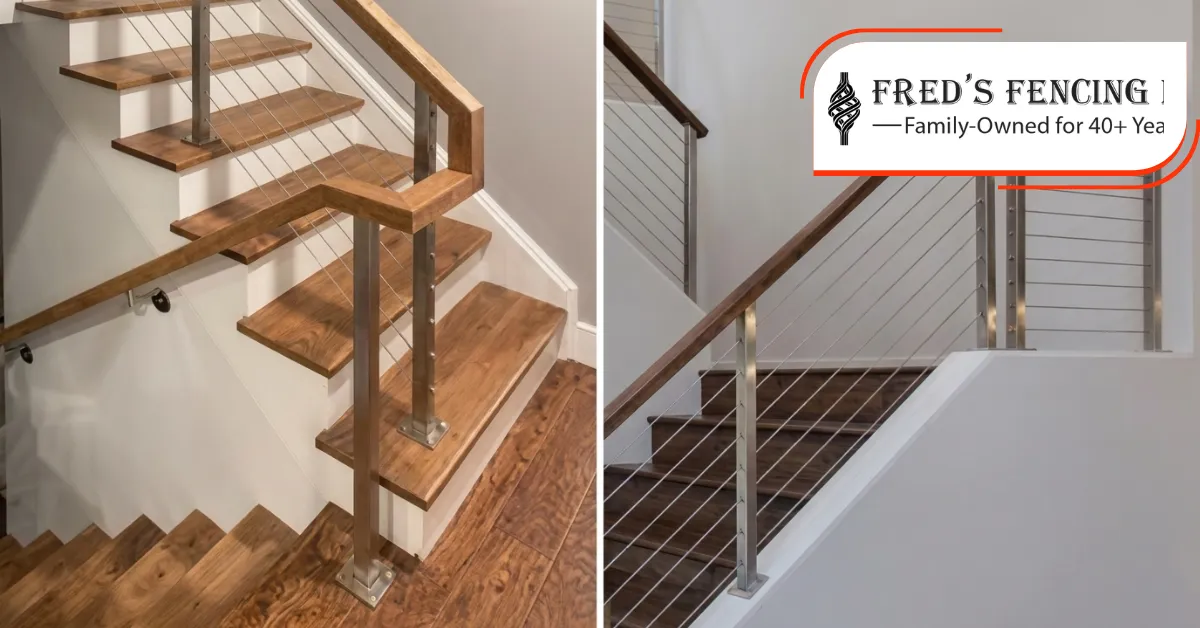
From intricate wrought iron designs to sleek stainless steel cables, metal railings offer a wide range of customization options to match your design vision.
5. Space Enhancement
Metal railings, especially cable or glass-infused designs, can create an open and airy feel, making smaller spaces appear larger.
Drawbacks of Metal Stair Railings
Higher Initial Cost: Metal railings can be more expensive upfront, especially custom designs.
Cold Appearance: Some homeowners feel metal lacks the warmth and charm of wood.
Potential for Rust: Lower-quality metals or poor finishes can lead to rust over time, particularly outdoors.
Wood Stair Railings
Wood stair railings have been a classic choice for centuries. They bring warmth, elegance, and a natural feel to any space.
Benefits of Wood Stair Railings
1. Timeless Appeal
Wood railings offer a traditional look that never goes out of style. They complement a wide range of interior designs, from rustic to contemporary.
2. Warm and Inviting Look
The natural grain and texture of wood create a cozy, welcoming atmosphere that metal often cannot replicate.
3. Easy to Customize and Modify
Wood is easier to cut, shape, and stain than metal, making it ideal for custom designs and DIY projects.
4. Variety of Finishes
Wood can be painted, stained, or varnished in countless shades, allowing homeowners to match existing décor effortlessly.
5. Comfortable to Touch
Unlike metal, wood does not feel cold, making it more comfortable to use, especially in colder climates.
Drawbacks of Wood Stair Railings
Maintenance Requirements
Wood requires regular upkeep, including staining or sealing, to prevent wear and damage.
Susceptibility to Damage
It can warp, crack, or rot over time, especially in humid or outdoor environments.
Less Durable Than Metal
While sturdy, wood is generally less resistant to heavy impact and long-term wear.
Metal vs. Wood Stair Railings: Key Comparisons
1. Durability
Metal railings outperform wood in terms of strength and longevity. If you need a long-lasting solution with minimal wear and tear, metal is the better option.
2. Maintenance
Metal railings are easier to maintain, requiring only occasional cleaning. Wood railings need more attention, including refinishing and protection against moisture.
3. Aesthetic Appeal
Metal: Best for modern, industrial, or minimalist designs.
Wood: Ideal for traditional, rustic, or classic interiors.
4. Cost
Wood railings are generally more affordable upfront, but long-term maintenance costs can add up. Metal railings may have a higher initial investment but often require fewer repairs over time.
5. Installation
Wood railings are easier to install, especially for DIY enthusiasts. Metal railings often require professional installation due to their weight and complexity
Indoor vs. Outdoor Use
Indoor Applications
Metal: Perfect for contemporary homes, lofts, and open-concept designs.
Wood: Great for creating a warm, inviting interior, especially in family homes.
Outdoor Applications
Metal: Ideal due to weather resistance, especially aluminum and stainless steel.
Wood: Can be used outdoors but requires proper sealing and regular maintenance to prevent damage.
Design Trends in Stair Railings
Modern homeowners are increasingly blending materials to achieve a unique look. For example:
Metal balusters paired with wooden handrails
Glass panels combined with metal frames
Reclaimed wood for eco-friendly designs
These hybrid styles offer the best of both worlds combining the durability of metal with the warmth of wood.
How to Choose the Right Stair Railing
When deciding between metal and wood stair railings, consider the following factors:
1. Your Home’s Style
Match the railing material to your home’s overall aesthetic.
2. Budget
Determine whether you prefer a lower upfront cost or a long-term investment.
3. Maintenance Commitment
Choose a material that fits your willingness to perform regular upkeep.
4. Location
For outdoor staircases, metal is typically the more practical choice.
5. Safety Needs
Ensure the railing meets local building codes and provides adequate support.
Final Thoughts
Both metal stair railings and wood stair railings offer distinct advantages, and the right choice ultimately depends on your specific needs and preferences. Metal railings excel in durability, low maintenance, and modern appeal, while wood railings shine in warmth, versatility, and timeless beauty.
If you’re aiming for a sleek, contemporary look with minimal upkeep, metal stair railings are an excellent investment. On the other hand, if you value classic design and a cozy atmosphere, wood stair railings may be the perfect fit.
By carefully considering your style, budget, and maintenance expectations, you can select a stair railing that enhances both the safety and visual appeal of your home for years to come.