
COPYRIGHT © FRED’S FENCING- ALL RIGHTS RESERVED. POWERED BY usmanshafique.com
Glass Fencing in San Diego: Frameless Pool Fencing & Exterior Glass Solutions
- Home
- Glass Fencing in San Diego: Frameless Pool Fencing & Exterior Glass Solutions
Glass fencing creates transparent barriers that protect without blocking views. In San Diego’s coastal neighborhoods and hillside properties, these installations preserve sightlines while meeting strict safety codes.
According to the American Society of Landscape Architects, 73% of design professionals report increased client requests for glass railings and fencing in outdoor living spaces. That trend makes sense here. When you’re paying premium prices for ocean views or canyon landscapes, the last thing you want is a wood fence cutting off what you paid to see.
This guide covers everything about glass fencing installations in San Diego. You’ll learn what types work best for pools versus decks, what the installation process looks like, and why tempered glass panels outlast traditional materials in our salt-air climate.
What Makes Glass Fencing Different From Traditional Options?
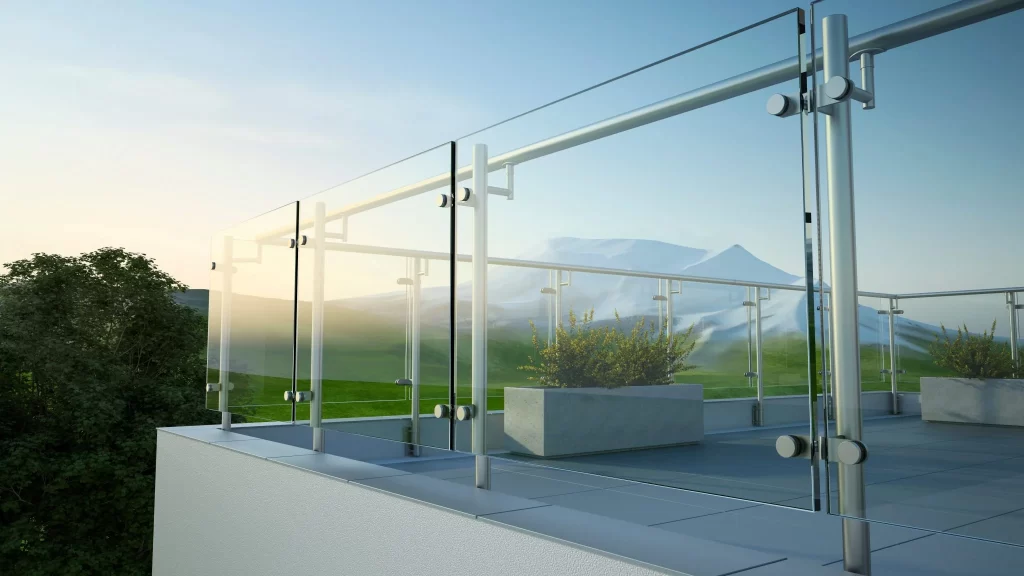
Glass fencing uses tempered safety panels mounted with minimal hardware to create transparent barriers around pools, patios, and elevated decks. Unlike wood or metal alternatives, these systems maintain unobstructed views while providing the same structural protection required by California building codes.
The panels typically measure 10-12mm thick. That’s about half an inch of tempered glass—four to five times stronger than standard window glass. Most installations use frameless designs where stainless steel posts support the panels from below or through side channels.
Three main types dominate San Diego installations. Frameless glass pool fencing meets Title 24 requirements with self-closing gates. Exterior glass walls create windbreaks on ocean-facing patios. Outdoor glass railings replace wooden deck barriers on hillside properties.
Why Do San Diego Property Owners Choose Glass Fence Panels?
The practical benefits add up quickly. Here’s what matters most to local homeowners:
- View preservation: You didn’t buy in Point Loma or La Jolla to stare at fence slats
- Salt resistance: Tempered glass doesn’t corrode like iron or rot like wood in coastal air
- Low maintenance: Spray with water and squeegee—no sanding, staining, or repainting
- Property value: Luxury features that appraisers recognize in competitive markets
- Safety compliance: Meets California pool barrier requirements without aesthetic compromise
- Light transmission: Keeps pool areas and patios bright instead of creating shadowed spaces
Glass fence systems work particularly well in San Diego because our climate lacks the freeze-thaw cycles that stress other materials. You won’t see the cracking or panel separation common in colder regions.
What Types of Glass Fencing Work Best for Different Applications?
Not all glass fencing serves the same purpose. The right system depends on your specific site and goals.
Frameless Glass Pool Fencing
Pool barriers must meet strict California Title 24 regulations. Frameless systems use 12mm tempered panels with minimal gaps between sections. The glass extends at least 60 inches high with self-closing, self-latching gates positioned out of children's reach. Installation involves drilling into concrete decking and securing stainless steel spigots. These support posts mount flush to the ground. Panels slot into the spigots with no top rail required.
Exterior Glass Walls and Windbreaks
Ocean-facing properties need wind protection without blocked views. Full-height glass walls create outdoor rooms that stay comfortable even when coastal breezes pick up. These installations typically use thicker 15mm panels with aluminum base channels for lateral stability. The systems work well on rooftop decks and restaurant patios. They reduce wind speed by 60-70% while maintaining transparency.
Outdoor Glass Railing Systems
Elevated decks and balconies require guardrails 42 inches minimum height. Glass panels replace traditional wood or metal balusters. Most use a hybrid approach—aluminum top and bottom rails with glass inserts—because building codes often require graspable handrails. This type costs less than frameless systems because the framing provides structural support. Panels can be slightly thinner at 10mm.
How Does Professional Glass Fence Installation Work?
The process takes more precision than standard fencing. Here’s what happens from quote to completion:
- Site assessment: Measure the perimeter and check substrate conditions
- Engineering review: Calculate wind loads and determine panel specifications
- Permit acquisition: Submit plans to San Diego Building Department for approval
- Base preparation: Clean and level concrete surfaces or pour new footings
- Hardware installation: Drill mounting holes and secure posts or channels
- Panel placement: Set tempered glass sections and adjust for plumb alignment
- Gate fitting: Install self-closing hinges and test latch mechanisms
- Final inspection: Verify code compliance and clean panels
Most residential projects take 2-3 days once materials arrive. Commercial installations with extensive runs or complex angles may extend to a week.
Why Choose Fred's Fencing for Your San Diego Glass Fence Project?
We’ve installed glass fencing systems across San Diego County since 2008. That includes everything from small pool barriers in Scripps Ranch to full perimeter systems on oceanfront estates in Del Mar.
Our team handles the entire process. You get a single point of contact from initial measurements through final inspection. We pull permits, coordinate with city inspectors, and warranty both materials and labor.
The installations use 12mm or 15mm tempered safety glass from certified suppliers. Hardware comes from stainless steel manufacturers with marine-grade corrosion resistance. That matters in coastal zones where standard metals fail within three years.
We’re a licensed fence company san diego contractors trust for commercial projects. But we handle plenty of residential work too—pool fences, deck railings, patio windbreaks. If you need traditional options, we also install wood fence company solutions and chain link fence systems.
For properties requiring secure access, we integrate glass fencing with custom electric gates. We fabricate custom doors san diego architects specify for commercial glass installations.
San Diego's Coastal Climate and Glass Fencing Durability
San Diego’s combination of salt air and year-round sun makes material selection critical. Wood fences rot. Iron corrodes. Vinyl becomes brittle under UV exposure.
Tempered glass panels resist all three failure modes. The material doesn’t absorb moisture, so saltwater spray won’t cause deterioration. Modern low-iron glass prevents the green tint that older panels developed. Anti-UV coatings stop sun damage.
Stainless steel hardware—specifically 316 marine grade—handles coastal conditions without pitting or rust stains. That’s the same alloy used on boat railings and offshore platforms.
In neighborhoods from Pacific Beach to Coronado, glass fencing outlasts traditional materials by decades. You’ll clean the panels occasionally. But you won’t replace rotted sections or repaint corroded metal.
Our Work
Frequently Asked Questions
How much does glass pool fencing cost in San Diego?
Expect $200-$350 per linear foot for frameless systems including installation. A typical pool perimeter of 80 linear feet runs $16,000-$28,000. That covers tempered panels, stainless steel posts, gates, permits, and labor.
Will glass fence panels crack or shatter easily?
Tempered glass is engineered to withstand impacts that would break standard glass. If a panel does break from extreme force, it crumbles into small granular pieces rather than sharp shards. This safety feature is why building codes require tempered or laminated glass for barrier applications.
Does glass fencing require special maintenance?
Just regular cleaning with water and a squeegee. Hard water spots may need vinegar solution or glass cleaner. Check hardware screws annually and tighten if loose. That’s the entire maintenance schedule.
Can I install glass fencing myself to save money?
Not recommended. Glass panel installation requires specialized tools for drilling concrete and lifting heavy panels safely. More importantly, San Diego requires permits for pool barriers and deck railings. Those permits need licensed contractor signatures and engineered drawings. DIY installations won’t pass inspection.
How long does glass fencing last in coastal areas?
The glass panels essentially last forever—decades minimum. Stainless steel hardware should last 20-30 years in marine environments before requiring replacement. That’s significantly longer than wood (8-15 years) or standard metal (10-12 years) in San Diego’s coastal zones.
What are the building code requirements for glass pool fencing?
California Title 24 requires barriers at least 60 inches high with no gaps larger than 4 inches. Gates must be self-closing and self-latching with releases at least 54 inches above grade. Glass must be tempered or laminated safety glass. All installations need permit approval and final inspection.
Can glass fencing block wind on oceanfront properties?
Yes. Properly installed glass walls reduce wind speed by 60-70% while maintaining views. This makes outdoor spaces usable during typical afternoon breezes that would otherwise force you indoors. The solid panels work better than slatted screens that let wind through.
Nearby Area | Approximate Distance | Drive Time |
La Jolla | 12 miles | 20 minutes |
Del Mar | 18 miles | 25 minutes |
Encinitas | 23 miles | 30 minutes |
Carlsbad | 28 miles | 35 minutes |
Coronado | 8 miles | 15 minutes |
Point Loma | 6 miles | 12 minutes |
Glass fencing installations make particular sense in San Diego because the investment protects itself. You’re not replacing rotted fence boards every decade or repainting corroded railings every few years. The panels stay clear, the hardware stays solid, and your views stay unobstructed.