Fire Resistant Fencing for Zone 0
Fire-resistant fencing for Zone 0 has become a critical consideration for homeowners, builders, and property managers in wildfire-prone regions. As fire safety standards evolve—especially in states like California—the concept of “Zone 0” is gaining attention as the most important defensible space area around a structure. This immediate perimeter, typically extending 0–5 feet from a building, plays a crucial role in preventing ignition during a wildfire. Choosing the right fencing materials and design within this zone can significantly reduce the risk of fire spreading to your home.
What Is Zone 0 and Why It Matters
Zone 0 refers to the area directly adjacent to your home or structure. Unlike Zones 1 and 2, which allow for some vegetation management and spacing, Zone 0 is intended to be a non-combustible buffer. Research has shown that embers—small, burning pieces of debris carried by wind—are one of the primary causes of home ignition during wildfires. These embers can accumulate against fences, siding, and landscaping features, igniting combustible materials and allowing fire to spread rapidly.
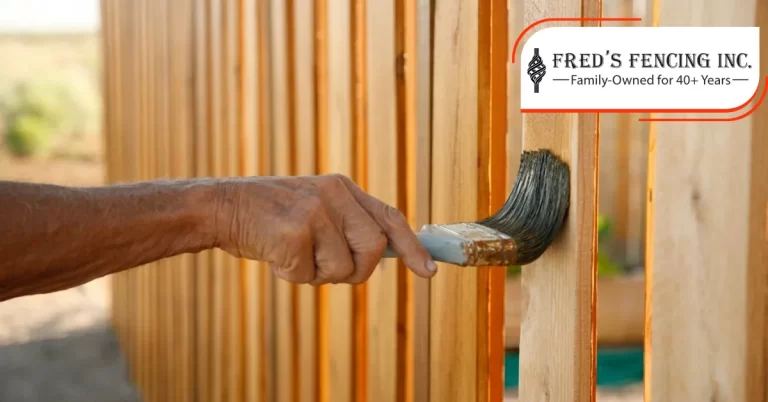
Fencing, often overlooked, can act as a fuse if made from flammable materials like wood or vinyl. When a fence ignites, it can carry flames directly to your home. This is why fire-resistant fencing is essential for Zone 0 compliance and overall wildfire resilience.
Best Fire Resistant Fencing Materials
1. Metal Fencing (Steel or Aluminum)
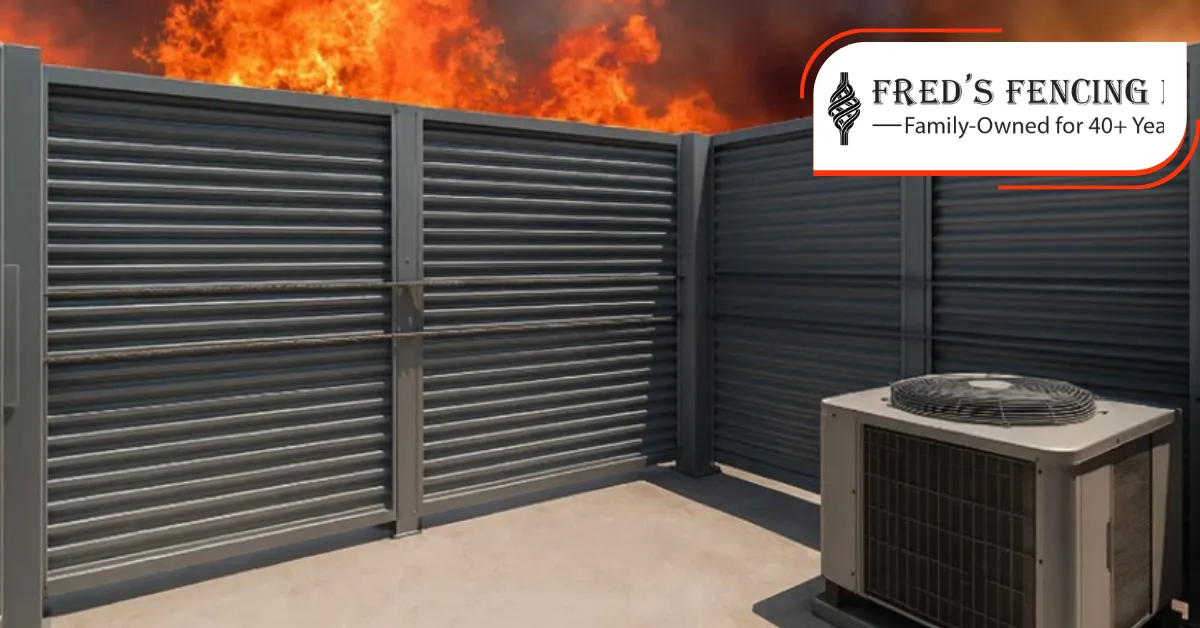
Metal fencing is one of the most effective choices for Zone 0. Steel and aluminum are non-combustible and can withstand high temperatures without igniting. Options include wrought iron, tubular steel, and corrugated metal panels. These materials not only resist fire but also offer durability and low maintenance.
2. Masonry or Concrete Fencing
Concrete walls, cinder blocks, and stone fencing provide excellent fire resistance. These materials do not burn and can act as a barrier to radiant heat. Masonry fencing is particularly effective in high-risk wildfire zones, though it may come with higher installation costs.
3. Fiber Cement Panels
Fiber cement is a composite material made from cement, sand, and cellulose fibers. It is non-combustible and often used in siding, but it can also be adapted for fencing. It offers a modern look while maintaining strong fire-resistant properties.
4. Trex or Fire-Retardant Composites (Use with Caution)
Some composite fencing products are marketed as fire-resistant, but not all meet the strict requirements for Zone 0. If considering composites, ensure they are specifically rated as non-combustible or ignition-resistant according to local building codes.
Design Considerations for Zone 0 Fencing
Breaks and Transitions
If you have an existing wood fence, consider replacing at least the section that connects directly to your home with a non-combustible material. A 5-foot section of metal or masonry can act as a fire break, preventing flames from reaching the structure.
Avoid Direct Contact with Structures
Whenever possible, avoid attaching fences directly to your home. Leaving a small gap can reduce heat transfer and ember accumulation.
Horizontal vs. Vertical Slats
Fences with horizontal slats can trap debris and embers more easily than vertical designs. Opt for styles that minimize flat surfaces where embers can settle.
Ground Clearance and Maintenance
Keep the base of your fence clear of dry leaves, mulch, and other combustible materials. Even fire-resistant fencing can become a hazard if surrounded by flammable debris.
Local Building Codes and Compliance
Many municipalities in wildfire-prone areas are updating building codes to include Zone 0 requirements. In California, for example, new regulations are being developed to mandate non-combustible materials within the first 5 feet of a structure. Homeowners should check with local authorities or fire departments to ensure compliance with the latest standards.
Insurance companies are also beginning to factor defensible space and fire-resistant construction into their coverage decisions. Installing compliant fencing can potentially lower premiums or improve insurability.
Aesthetic and Functional Benefits
Fire-resistant fencing doesn’t mean sacrificing style. Modern metal and masonry designs offer a wide range of aesthetic options, from sleek and contemporary to rustic and traditional. Powder-coated finishes, decorative panels, and custom designs allow homeowners to enhance curb appeal while prioritizing safety.
Additionally, these materials often require less maintenance than wood. They are resistant to rot, pests, and weathering, making them a long-term investment in both safety and durability.
Cost Considerations
While fire-resistant fencing materials like metal and masonry may have higher upfront costs compared to wood, they often provide better value over time. Reduced maintenance, longer lifespan, and increased property protection can offset the initial investment. Moreover, the potential to prevent catastrophic fire damage makes these materials a wise financial decision.
Retrofitting Existing Fences
If replacing your entire fence isn’t feasible, consider retrofitting high-risk sections. Focus on areas closest to your home, especially where fences connect to exterior walls. Installing a non-combustible gate or barrier can significantly improve fire resistance without a full replacement.
Final Thoughts
Fire-resistant fencing is a vital component of a comprehensive wildfire defense strategy, particularly in Zone 0. By choosing non-combustible materials, optimizing fence design, and maintaining a clear perimeter, homeowners can dramatically reduce the risk of fire spreading to their property.
As wildfire threats continue to grow, proactive measures like installing fire-resistant fencing are no longer optional—they are essential. Whether you’re building a new home or upgrading an existing property, investing in Zone 0-compliant fencing is a smart step toward safety, resilience, and peace of mind.