Durability
Galvanised steel resists corrosion, even in coastal climates. Powder-coat finishes add a second layer of protection on top — which is how a well-kept iron fence outlasts almost every other material you could put up.
50+Years

A metal barrier crafted from steel or iron and finished with protective coatings to resist rust and weather — built for security, curb appeal and a structure that holds up under coastal humidity.
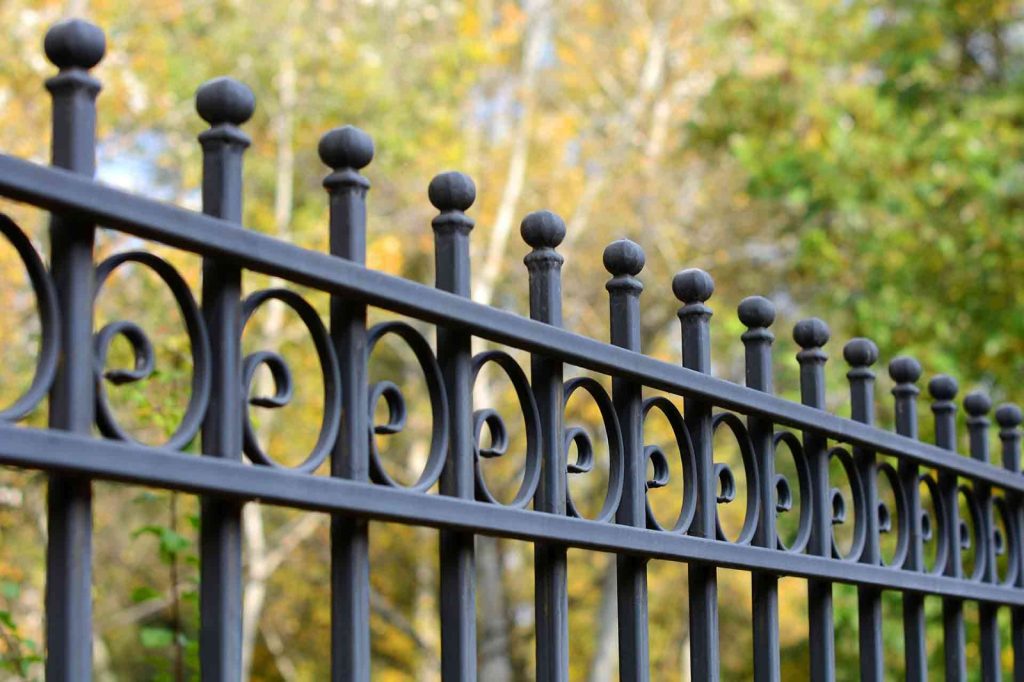
Custom wrought iron fences combine security with visual appeal. Unlike prefabricated panels, custom designs let you choose picket spacing, finial styles, scrollwork and powder-coat finishes — so your fence complements your home's architecture instead of looking generic.
Wrought iron also provides clear sightlines, which helps with property surveillance while still maintaining an elegant perimeter.
A prefabricated panel decides these for you. A custom fence leaves every one of them to you.
And custom means the layout follows your property — curving around a garden bed or climbing a steep slope — rather than whatever a standard panel width allows.
Choosing wrought iron delivers advantages beyond appearance. Here are five reasons San Diego homeowners and business owners prefer it.
Galvanised steel resists corrosion, even in coastal climates. Powder-coat finishes add a second layer of protection on top — which is how a well-kept iron fence outlasts almost every other material you could put up.
Tall, closely spaced pickets deter trespassers. Add pointed finials for extra deterrence without sacrificing style.
A quick rinse with a garden hose removes salt and dust. Touch up chips with matching paint every few years.
A well-designed iron fence boosts resale appeal. Buyers notice curb appeal and the promise of low upkeep.
Dozens of finial shapes, rail widths and colours — and it integrates with masonry pillars or concrete walls for a high-end look.
Different properties need different approaches. A beachfront home calls for a sleek, corrosion-resistant design; a hillside estate might pair iron with stone columns. Hover a card to see what it suits.
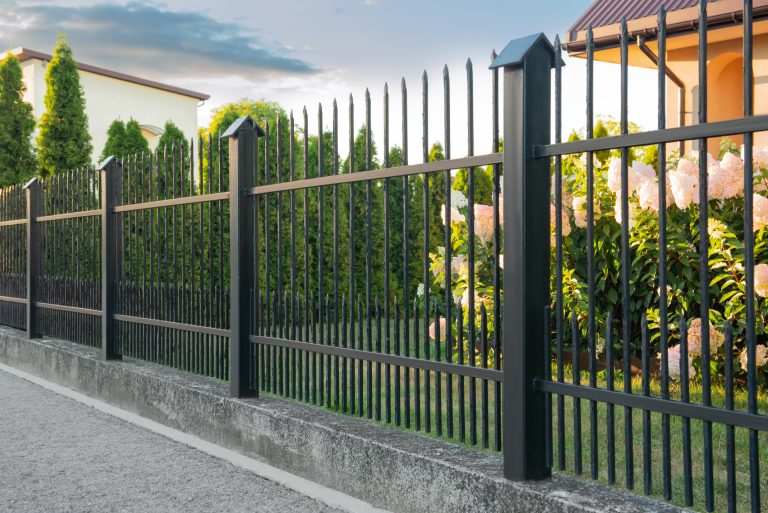 Residential perimeters
The classic perimeter fence — sharp finials on every picket give it presence and a clear deterrent from the street.
 Courtyard gates
Decorative curls worked into the panel — the style that turns an entrance gate into the feature of the property.
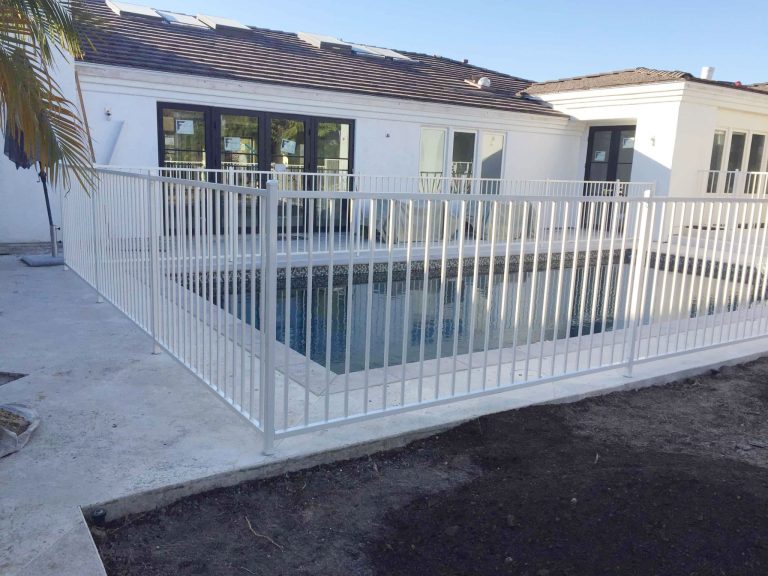 Pool enclosures
No points on top, no climbing edge — clean lines that suit modern homes and satisfy pool safety requirements.
 Privacy plus visibility
Iron combined with wood, perforated metal or masonry — privacy where you need it, open iron everywhere else.
A technician visits your property to measure the perimeter, note grade changes and discuss your design preferences.
We pull the required building permits, which makes sure your fence meets local setback rules before a post goes in.
You receive a detailed drawing showing panel placement, gate locations and post spacing. Revisions happen at this stage, not after fabrication.
Crews dig post holes, set steel posts in concrete and verify alignment with a laser level. Posts must cure for 24 to 48 hours.
Pre-welded fence panels bolt to the posts. Installers check every connection for tightness and level.
The city inspector verifies height, setback and structural integrity. After approval, the job is complete.

Iron between stone pillars — the kind of layout prefab panels can't follow
Experience and local knowledge separate skilled contractors from unreliable ones. Fred's Fencing brings decades of wrought iron expertise to every San Diego project.
Wrought iron needs minimal upkeep, but small efforts extend its life. Here is the whole calendar, from monthly to once a decade.
Spray with a hose to remove salt buildup. San Diego's coastal air carries corrosive particles.
Look for rust spots, loose bolts or chipped paint. Address issues immediately to prevent spread.
Keep a can of matching powder-coat paint for quick fixes. Sand the area lightly first.
Plants trap moisture against the metal. Keep shrubs and vines at least six inches away.
Hire a crew to sandblast and recoat the entire fence. This resets the protection layer.
Near the ocean, galvanised steel still resists rust — but only while the coating is intact. Coastal air accelerates wear once a chip exposes bare metal, which is why the monthly rinse and a quick touch-up matter most on the coast.
New construction and property upgrades follow the county's growth. Homeowners invest in fencing to define boundaries, protect children and pets, and boost curb appeal. We serve neighbourhoods from Rancho Bernardo to Chula Vista, delivering custom wrought iron that matches the region's diverse architecture — mid-century ranch or modern coastal home.
New residents added to San Diego County in the past two years.
U.S. Census BureauApproximate distances from central San Diego to popular service areas.
| Suburb | Approx. Distance | Approx. Drive Time |
|---|---|---|
| La JollaCoastal homes where the finish has to beat salt air | 12 miles | 20 minutes |
| EncinitasSleek, corrosion-resistant beachfront designs | 25 miles | 30 minutes |
| EscondidoHillside estates pairing iron with stone columns | 30 miles | 35 minutes |
| CarlsbadNew construction and pool enclosures | 35 miles | 40 minutes |
Custom wrought iron fences built across San Diego County. Tap any photo to enlarge it.
Ready to upgrade your property with a custom wrought iron fence? A technician measures your lot, discusses design options and delivers a detailed quote. No pressure. No hidden fees. See why San Diego homeowners trust Fred's Fencing for lasting quality.
The same clear sequence on every job — from the first measurement to the inspector's sign-off.
A properly maintained wrought iron fence lasts 50 years or more. Galvanised steel and powder-coat finishes protect against rust, even near the coast.
Annual inspections and touch-up paint extend the lifespan further.
Yes. Many designs integrate iron panels with wood privacy slats or masonry pillars. The combination adds privacy while keeping the elegant look of wrought iron.
We also offer wood fence installation for mixed-material projects.
Costs range from $25 to $60 per linear foot, depending on height, design complexity and finish. Automated gates and decorative scrollwork increase the price.
Request a free quote for an accurate estimate on your property.
Most fences over 42 inches require a building permit. Your contractor handles permit applications and inspections.
Skipping permits risks fines and forced removal.
Galvanised steel resists rust, but coastal air accelerates wear if the protective coating chips.
Monthly rinsing and annual inspections prevent serious corrosion. Touch up any exposed metal immediately.