What Is the Lifespan of a Wrought Iron Fence?
Property owners in San Diego and beyond often ask about the durability of metal fencing before making an investment. A wrought iron fence typically lasts 60 to 100 years when properly maintained, making it one of the longest-lasting fence options available. According to the National Association of Home Builders, metal fencing systems consistently outlast wood, vinyl, and composite alternatives by decades.
That longevity comes with conditions. Climate, maintenance habits, and installation quality all play major roles in whether your fence reaches the century mark or starts showing problems after 20 years. This guide breaks down what actually determines how long your iron wrought fence will last and what you can do to maximize that investment.
How Long Does a Wrought Iron Fence Actually Last?
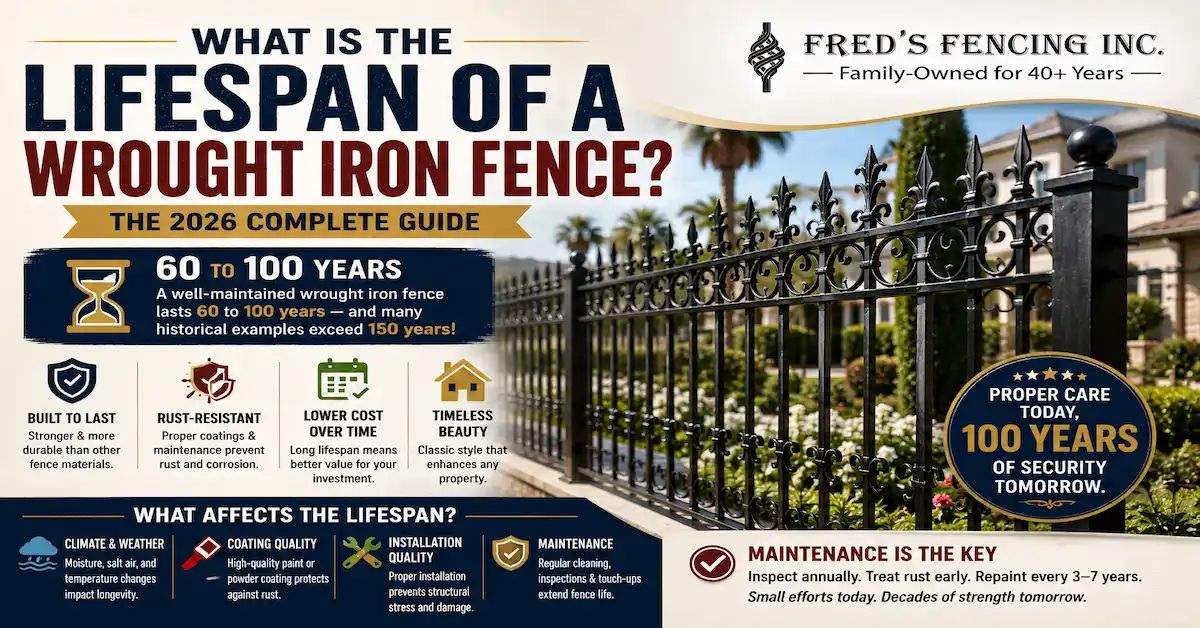
A well-maintained wrought iron fence lasts 60 to 100 years on average, with many historical examples exceeding 150 years. The metal itself doesn’t deteriorate, but rust and structural damage from neglect can shorten this lifespan significantly if proper care isn’t followed.
The variance in lifespan comes down to three primary factors. First, the quality of the iron and protective coatings applied during manufacturing. Second, environmental exposure to moisture, salt air, and temperature fluctuations. Third, how consistently owners address rust spots and apply protective treatments.
Historic wrought iron fences in New Orleans and Boston prove the upper limits. Some of these structures have stood for over 200 years. But those weren’t ignored. They received regular maintenance and protective coatings that modern homeowners can replicate.
What Factors Affect Wrought Iron Fence Longevity?
Climate conditions, protective coating quality, installation methods, and maintenance frequency are the four main factors affecting wrought iron fence lifespan. Coastal properties and high-humidity areas experience faster deterioration without proper rust prevention measures applied every 2-3 years.
Climate and Weather Exposure
San Diego’s mild climate works in your favor. Properties near the coast face salt air exposure that accelerates oxidation. Inland areas deal with less moisture but higher temperature swings.
Rain and humidity cause the most damage. Water sits in joints and welds where protective coatings wear thin first. That’s where rust starts. Snow and ice create similar problems in colder regions through freeze-thaw cycles.
Coating and Paint Quality
The protective finish matters more than the iron itself. Powder coating provides the longest protection, typically lasting 15-20 years before needing reapplication. Traditional paint requires renewal every 3-5 years depending on exposure.
Galvanized coatings add another layer of protection. The zinc sacrifices itself to protect the underlying iron. Once that zinc layer depletes, rust begins immediately if you don’t apply new protection.
Installation Quality
Poor installation creates failure points that compromise the entire fence. Posts set without proper concrete footings shift and stress welds. Inadequate spacing between pickets traps moisture and debris.
Professional installation ensures proper drainage around posts. Ground contact points receive extra coating attention. Welded connections get sealed completely to prevent water infiltration.
Maintenance Consistency
A wrought iron fence doesn’t maintain itself. Annual inspections catch rust early when it’s easily treatable. Spot treatment with rust converter and touch-up paint costs little but adds decades to fence life.
Neglected fences show problems within 10-15 years even in good climates. Regular cleaning removes debris that holds moisture against the metal. Trimming vegetation prevents constant contact with damp plants.
How Does Wrought Iron Compare to Other Fence Materials?
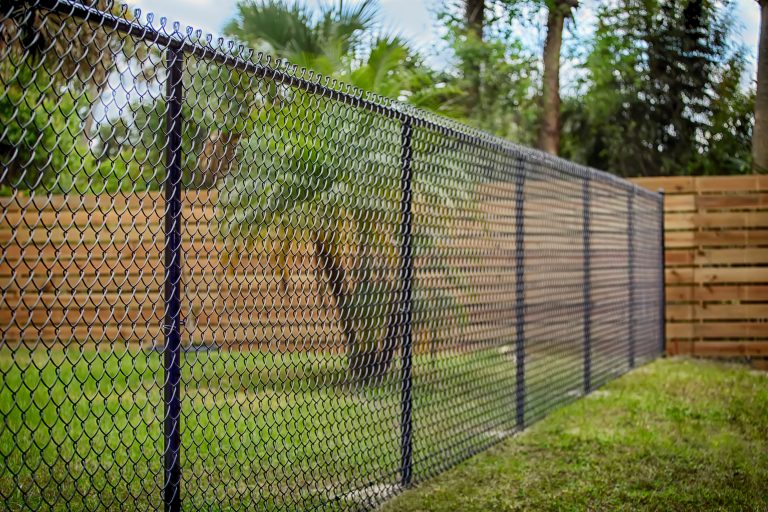
Wrought iron outlasts wood fences by 40-80 years, vinyl by 20-40 years, and aluminum by 10-30 years. While a chain link fence might last 20 years and wood 15-20 years, properly maintained wrought iron reaches 100 years regularly.
| Fence Material | Average Lifespan | Maintenance Level | Climate Sensitivity |
| Wrought Iron | 60-100 years | Moderate | Medium |
| Wood | 15-20 years | High | High |
| Vinyl | 20-30 years | Low | Medium |
| Chain Link | 15-20 years | Low | Low |
| Aluminum | 30-50 years | Low | Low |
The maintenance requirements differ significantly. Wood needs annual sealing and staining. Vinyl cracks in extreme temperatures and can’t be repaired, only replaced. A glass fence offers modern aesthetics but lacks the proven century-long durability of iron.
Cost per year tells the real story. A $5,000 wrought iron fence lasting 80 years costs $62.50 annually. A $3,000 wood fence lasting 18 years costs $166 per year. The upfront premium pays for itself.
What Maintenance Extends Wrought Iron Fence Life?
Annual cleaning, immediate rust treatment, repainting every 3-7 years, and professional inspections every 5 years extend wrought iron fence life to its maximum potential. These practices prevent minor surface rust from becoming structural damage requiring costly repairs.
Regular Cleaning Schedule
Wash your fence twice yearly with mild soap and water. Use a soft brush to remove debris from joints and decorative elements. Rinse thoroughly and let it dry completely.
Remove leaves, dirt, and organic material that traps moisture. Check for spider webs and wasp nests in hollow sections. These small maintenance tasks prevent larger problems.
Rust Prevention and Treatment
Inspect for rust spots every spring. Surface rust appears as orange-brown discoloration. Catch it early and it’s a 10-minute fix. Ignore it and you’re looking at structural repairs.
Wire brush loose rust until you reach clean metal. Apply rust converter to neutralize remaining oxidation. Prime the area, then touch up with matching paint. That simple process stops rust from spreading.
Protective Coating Renewal
Recoat your fence every 3-7 years depending on climate exposure. Coastal properties need more frequent treatment. Watch for coating breakdown signs like chalking, fading, or flaking.
Professional powder coating lasts longest but requires removing the fence. On-site painting works well if you properly prep surfaces. Either way, that protective barrier determines whether your fence lasts 30 years or 90.
Pro Tip: Apply car wax to your wrought iron fence after repainting. It adds six months of extra protection and makes future cleaning easier.
When Should You Repair or Replace a Wrought Iron Fence?
Repair wrought iron fences when rust damage affects less than 20% of the structure and no structural integrity issues exist. Replace when extensive rust has weakened posts or rails, multiple welds have failed, or repair costs exceed 60% of replacement cost.
Surface rust and isolated damage warrant repair. Professionals can weld new sections, sandblast rust, and recoat affected areas. That’s always cheaper than replacement and maintains the fence’s lifespan potential.
Structural problems tell a different story. Posts leaning more than 2 inches off vertical indicate foundation failure. Horizontal rails with visible sag or flex point to weakened metal. Multiple failed welds suggest installation problems throughout.
Working with experienced fence repair San Diego professionals helps you make the right call. They assess whether repairs buy you another 20-30 years or just delay inevitable replacement by five.
Does Professional Installation Impact Fence Lifespan?
Professional installation can add 20-30 years to wrought iron fence lifespan compared to amateur installation. Proper post depth, adequate concrete footings, correct spacing, and quality welding prevent premature failure from structural issues rather than material deterioration.
Experienced installers know San Diego’s soil conditions. They adjust post depth and footing size based on your specific property. They understand drainage patterns that prevent water pooling around fence bases.
Quality welding makes the difference between joints that last 100 years and ones that fail in 15. Professional welders create full-penetration welds that match the parent metal’s strength. They seal every connection against moisture infiltration.
The same applies to electric gate contractors working with automated iron gates. Proper installation of mechanical components and electrical systems prevents premature wear that shortens the overall system life.
Frequently Asked Questions
Can a wrought iron fence last 200 years?
Yes, wrought iron fences can last 200 years with exceptional maintenance and favorable climate conditions. Historical examples in Europe and the northeastern United States prove this longevity. However, achieving this requires professional restoration work every 20-30 years and consistent rust prevention measures throughout the fence’s life.
How much does it cost to maintain a wrought iron fence annually?
Annual maintenance costs range from $50 to $200 for DIY cleaning and touch-up painting. Professional maintenance including inspection, rust treatment, and recoating costs $300 to $800 depending on fence size. Major repainting or powder coating every 5-7 years adds $1,000 to $3,000 but prevents costly structural repairs.
What shortens wrought iron fence lifespan most?
Neglecting rust treatment causes the most damage to wrought iron fences. Small rust spots expand exponentially when ignored, eventually causing structural failure. Standing water around fence posts and poor drainage rank second, accelerating corrosion at ground level where repairs are most difficult and expensive.
Is wrought iron fencing worth the higher cost?
Wrought iron delivers superior cost-per-year value despite higher upfront costs. A fence lasting 80 years with moderate maintenance costs less annually than wood or vinyl alternatives requiring replacement every 15-30 years. The security, aesthetic appeal, and property value increase add non-monetary benefits that justify the investment.
How do I know if my wrought iron fence needs replacement?
Replace your wrought iron fence when posts lean severely, horizontal rails sag visibly, rust has penetrated more than 20% of the metal thickness, or multiple welds have failed. If repair estimates exceed 60% of new fence cost, replacement makes better financial sense than extensive repairs.
Does painted or powder-coated wrought iron last longer?
Powder-coated wrought iron lasts longer than painted iron because the coating bonds molecularly to the metal surface. Powder coating resists chipping, scratching, and weathering for 15-20 years compared to 3-7 years for quality paint. However, properly maintained painted fences still reach 60-100 year lifespans with more frequent recoating.
Can I extend my wrought iron fence’s life after neglect?
Yes, neglected wrought iron fences can be restored if structural damage hasn’t progressed too far. Professional restoration removes all rust, repairs weakened sections, and applies new protective coatings. This process effectively resets the fence’s lifespan, potentially adding 40-60 years if maintained properly afterward.